
RAREFIED FLOW · SCIENTIFIC COMPUTING

Einar Nævdal

Aerothermodynamics Engineer

Physics, computation
and practical engineering.

I’m an aerothermodynamics engineer at the European Space Agency, working on rarefied-gas dynamics and the scientific software used to study it.

I use molecular-scale modelling to understand how gas–surface interactions affect flow, forces and heating. My broader engineering work spans three-dimensional computational fluid dynamics (CFD) and heat transfer, electromagnetic simulation and instrumented hardware.

My academic background combines master’s studies in Aerospace Science and Technology at UPC with a BSc in Advanced Technology from the University of Twente.

CURRENT
European Space Agency · ESTEC
FOCUS
Rarefied flow & gas–surface interaction
APPROACH
Model · simulate · build · test

Journal of Fluid Mechanics

Cambridge University Press

Currently under review

Gas–surface scattering and collisional feedback in rarefied hypersonic flow past an inclined flat plate

Einar Nævdal & Sebastian A. Altmeyer2026

Changing how molecules leave a surface can also change how they reach it.

Using direct simulation Monte Carlo (DSMC) in SPARTA, I compared seven Maxwell and Cercignani–Lampis–Lord (CLL) scattering configurations across four prescribed rarefaction conditions. The 28-case study resolves pressure, shear, heat transfer and compression-side aerodynamic loads for a 1 m plate at 40° incidence in a 7.5 km/s flow.

The central question is whether a load change comes directly from molecular scattering or from the incident gas reshaped by that scattering through intermolecular collisions. I evaluated alternative kernels on the same recorded non-reactive impacts, combining fixed-incidence references with correlation-aware uncertainty analysis to distinguish these contributions.

The results show how population feedback can nearly cancel or locally reverse the response predicted at fixed incidence. They also explain how different normal and tangential momentum exchanges can produce nearly equal lift but markedly different drag.
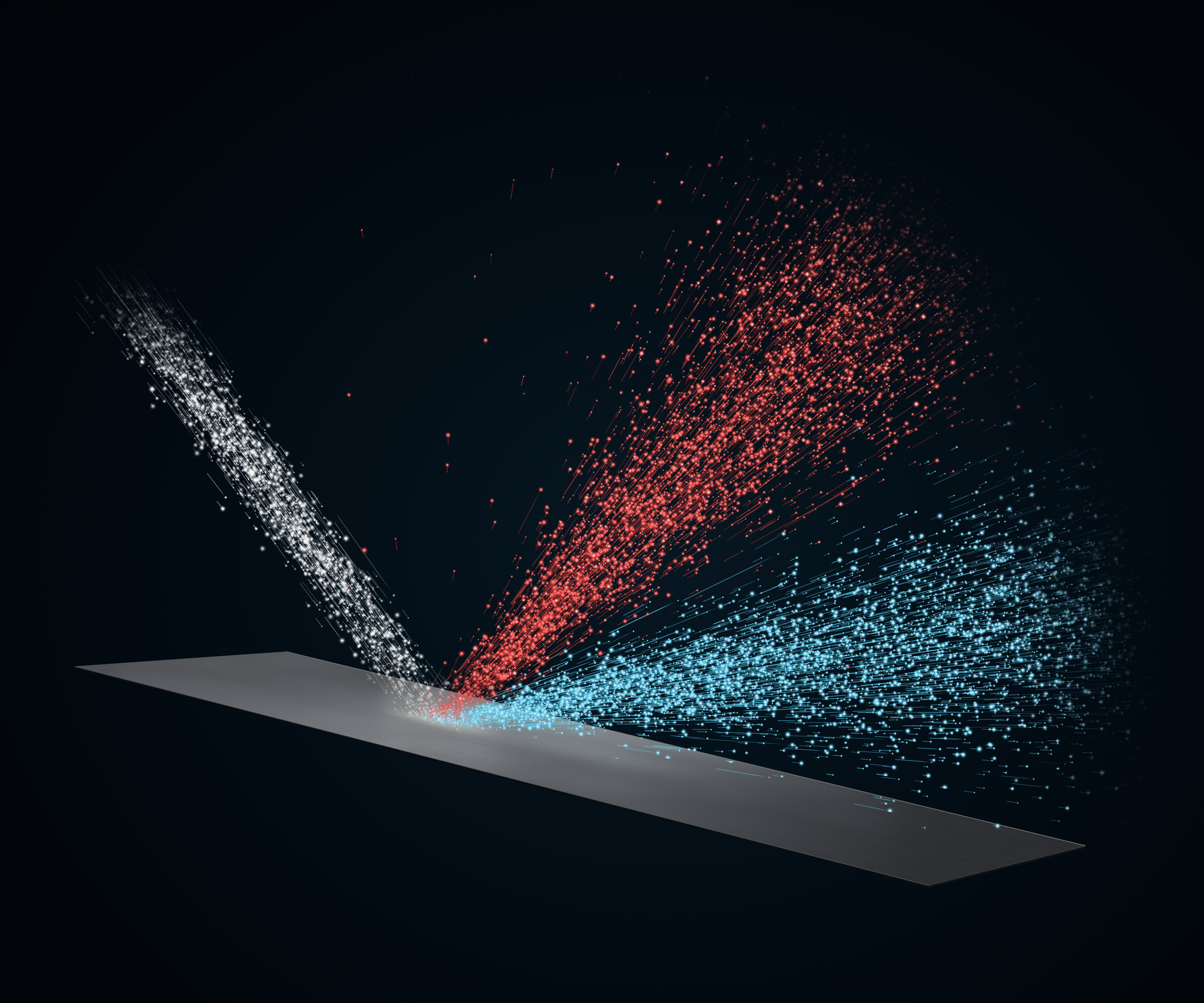
Conceptual illustration of an incident molecular stream and two reflected populations above a flat plate.

Journal article

Currently under review

METHOD
DSMC · SPARTA
RAREFACTION
Kn∞=0.023–8.439\mathrm{Kn}_{\infty}=0.023\text{–}8.439
STUDY
4 regimes · 7 scattering configurations

Beyond endpoint interpolation.

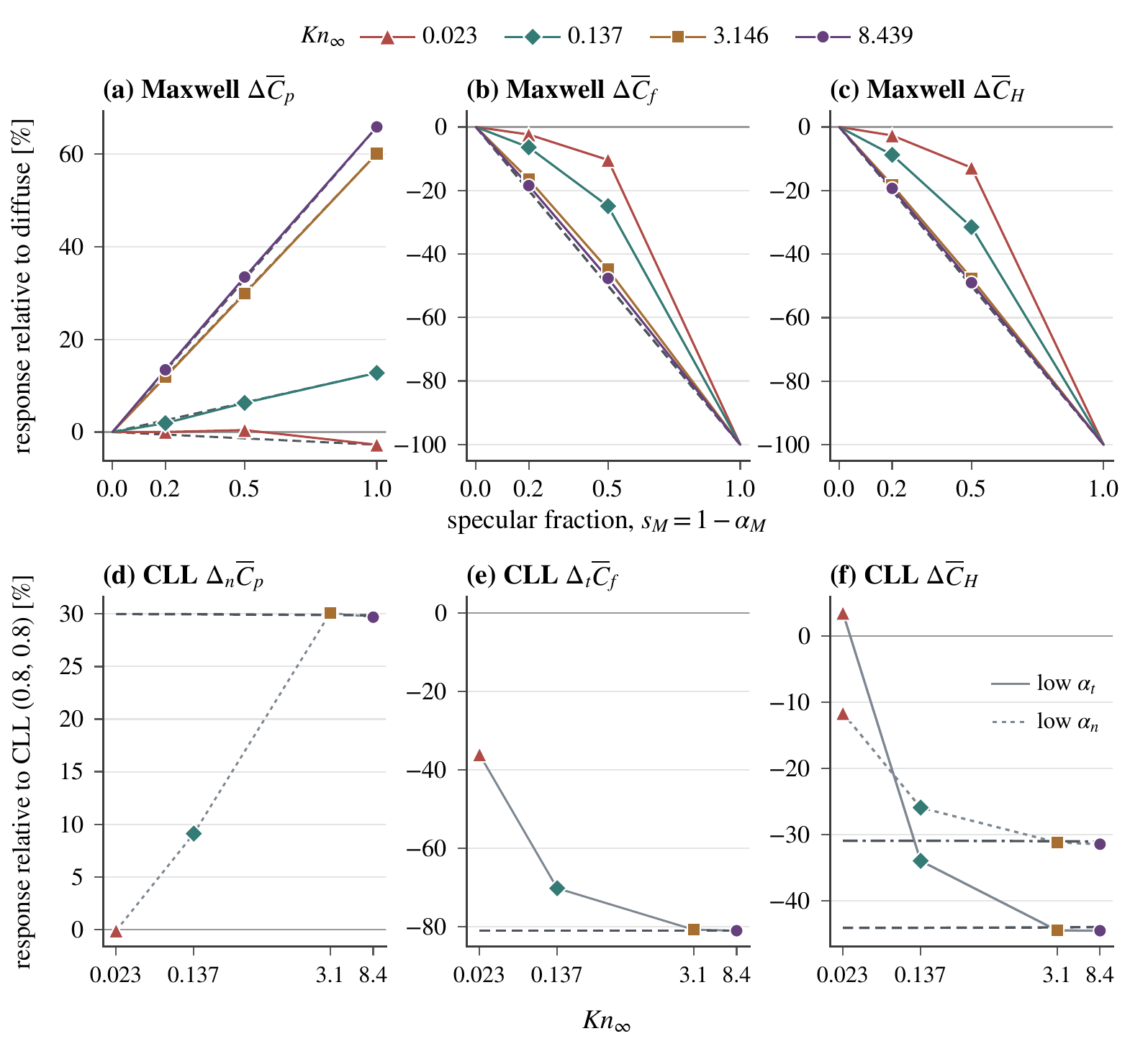
At Kn∞=0.023\mathrm{Kn}_{\infty}=0.023, Maxwell shear and heat-transfer responses depart from diffuse–specular endpoint interpolation by up to 40% of their diffuse-reference values.

Feedback can reverse a local response.

At Kn∞=0.023\mathrm{Kn}_{\infty}=0.023, the population change induced by reduced tangential CLL accommodation overturns the fixed-incidence reductions in trailing-patch shear and translational heat transfer.

Nearly equal lift. Different drag.

At Kn∞=8.439\mathrm{Kn}_{\infty}=8.439, exchanging the normal and tangential CLL accommodation coefficients produces nearly equal lift, while one case generates 66% more drag.

Methods, interpretation & scope

These are controlled scattering-law comparisons, with CLL coefficients used as sensitivity probes rather than material calibrations. SPARTA resolves planar molecular transport with three velocity components on nested Cartesian meshes. Within each prescribed Knudsen-number condition, the freestream, gas-collision model, catalytic treatment and numerical controls remain fixed; reported loads cover only the compression side.

Recorded non-reactive impacts from leading and trailing patches were evaluated analytically under alternative CLL kernels, distinguishing conditional wall exchange from changes in incidence. Production means use common retained sampling windows within each condition and covariance estimates that account for temporal correlation. Local sign reversals do not imply increased full-side shear or total production heating.

The accompanying plots compare pressure, shear and heating with diffuse–specular interpolation for Maxwell and fixed-incidence kernel references for CLL. At higher prescribed Knudsen numbers, Maxwell shear and heating approach their linear references, while CLL responses approach momentum and energy predictions derived from the kernels’ first and second velocity moments. At the two highest conditions, the selected CLL pressure and shear responses lie within 0.21 percentage points of their references, and total heat transfer within 0.56 points of its non-reactive translational reference.

Yet the highest-Knudsen case retains a defect of 3.1% of the diffuse heat-transfer coefficient in the common-incidence total-energy constraint. Agreement in selected responses therefore establishes neither identical incident populations nor a fully free-molecular flow.

Six panels compare pressure, shear and heat-transfer responses for Maxwell and CLL scattering across four Knudsen numbers, with dashed reference lines. Maxwell responses are shown against specular fraction and CLL responses against Knudsen number.

The simulations, in motion.

Supplementary research films
FILM 1

Particle motion across four rarefaction regimes.

Open film (opens in a new tab)
Early flow development in four diffuse-Maxwell DSMC visualisation runs at Kn∞=0.023\mathrm{Kn}_{\infty}=0.023, 0.137, 3.146 and 8.439. The points are weighted simulator particles, not physical molecules; their apparent concentration is not a direct measure of gas density.

How to read this film

Each visualisation run began with an empty domain. The displayed sequence starts after particle injection has commenced and ends before the retained production sampling interval. These separate runs contribute neither the reported production means nor their uncertainty estimates.

Particle weights vary with the case and local cell area. Apparent changes in occupancy at mesh-refinement interfaces need not represent physical density discontinuities. Quantitative density comparisons use weighted grid tallies instead.

FILM 2

A change at the wall. A response in the flow.

Open film (opens in a new tab)
Normalised number-density fields at Kn∞=0.023\mathrm{Kn}_{\infty}=0.023 and 8.439 show the response to successive changes in CLL accommodation. Each panel is an ensemble mean of 32 independently seeded simulations (M=32M=32), with every realisation advanced continuously through the same five wall states.

How to read this film

CLL sequence · (αn\alpha_n, αt\alpha_t)

(0.8, 0.8) then (0.8, 0.2) then (0.8, 0.8) then (0.2, 0.8) then (0.8, 0.8)

M=32M=32 is the ensemble size, not the Mach number. The displayed quantity is n∗=n/n∞n^*=n/n_{\infty}: total-mixture number density normalised by the corresponding freestream value. The colour limits remain fixed throughout the movie.

Only the active plate-collision assignment changes at each switch. Particles, mesh, inflow, gas collisions, chemistry and random-number state remain continuous; no restart is read. The initial state includes empty-domain filling. Later baseline states are returns within each trajectory, not independent replicate blocks.

The panels share wall state and playback progress, not dimensional physical time. Each wall state spans 10.032 ms at Kn∞=0.023\mathrm{Kn}_{\infty}=0.023 and 78.432 ms at Kn∞=8.439\mathrm{Kn}_{\infty}=8.439; these are prescribed observation horizons, not measured relaxation times.

Each displayed frame averages four non-overlapping source bins. Spatial filtering is for display only; no temporal interpolation, duplicated frames, cumulative averaging or optical-flow reconstruction is used. This auxiliary density campaign is separate from the production statistics.

Graduate Trainee · Aerothermodynamics

ESTEC · Noordwijk

Modernising the tools
behind rarefied-flow simulation.

My work at ESA focuses on DSMC code modernisation for spacecraft aerothermodynamics: connecting numerical methods, scientific software and the analysis of rarefied flows.

Technical training & credentials

Technical leadership

Leadership development for technical teams, collaboration and research-driven organisations.

To be completed

GPU computing

CUDA C/C++ for GPU-accelerated computing, with hands-on programming and performance analysis.

Completed

Open science

Open Science 101: reproducible research through open data, reusable code and transparent scientific results.

To be completed

Systems & software

The ECSS training series spans space-system engineering, software, product assurance and project management.

Level 1 completed
View credentialsHide credentials

Training record.

Course completion & module-level progress.

MIT xPRO

To be completed

Leadership Principles for Engineers, Scientists, and Researchers

Professional development in leadership, collaboration and organisational decision-making for engineers, scientists and researchers.

NVIDIA Deep Learning Institute

Completed

Getting Started with Accelerated Computing with CUDA C/C++

Practical accelerated-computing training in CUDA C/C++, using nvcc and Nsight Systems to build and examine GPU applications.

NASA

To be completed

Open Science 101

An introduction to open-science principles and practice: finding, creating and sharing data, software and research results.

European Space Agency

Level 1 completed

ECSS Training — Introduction and various standards

ESA’s e-learning series introduces the ECSS standardisation system and selected engineering, management and assurance standards. Completed modules are recorded below.

Level 1Introductory training

Completed

3D aerothermal modelling.

Conjugate heat transfer in a heated wing.

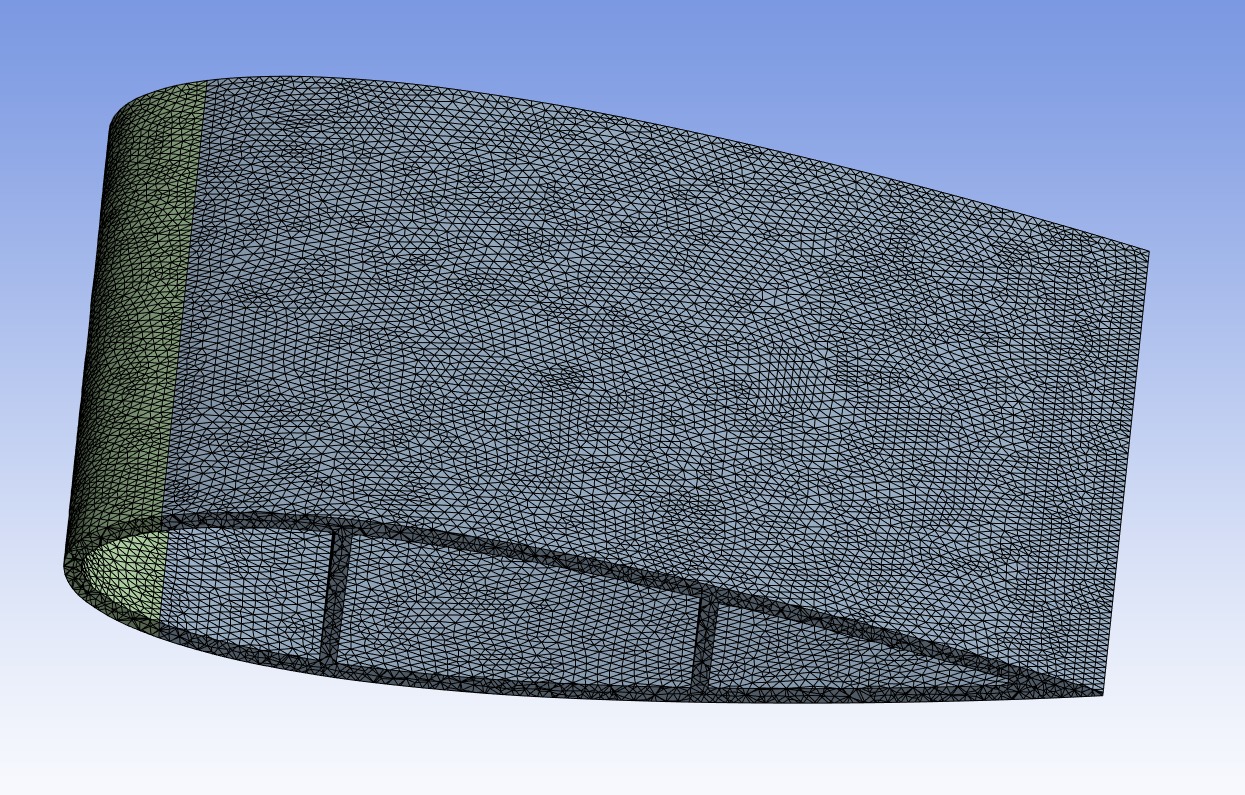
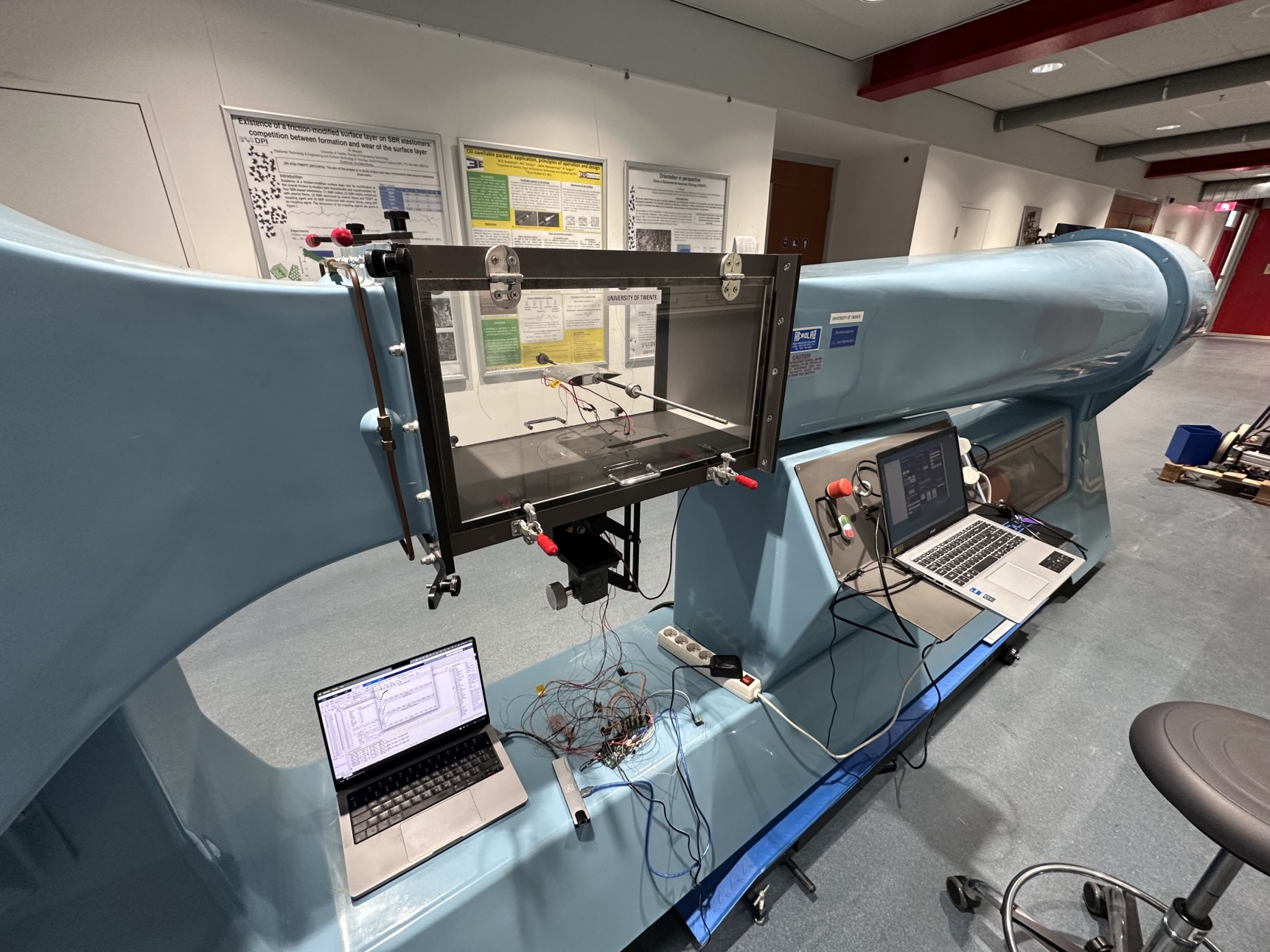
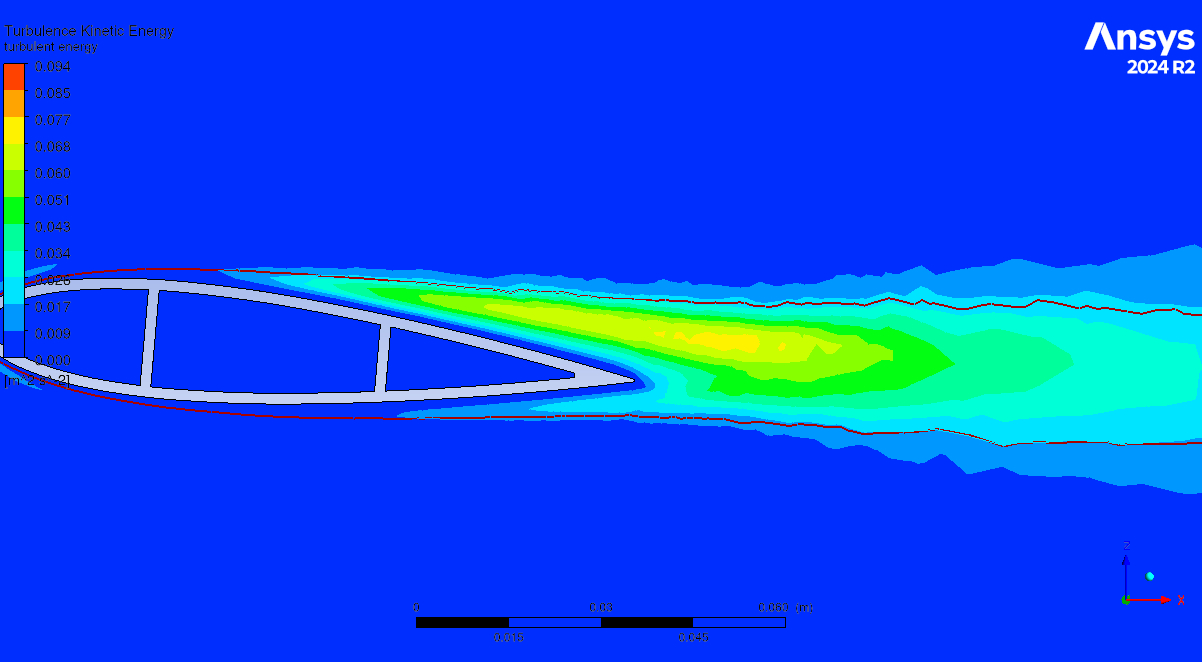
A three-dimensional, steady-state ANSYS Fluent model coupling heat conduction in a wing with convective heat transfer in the surrounding flow. Mesh checks and flow-field analysis support comparison with analytical cylinder benchmarks and wind-tunnel measurements.

  • ANSYS Fluent
  • 3D CFD
  • Conjugate heat transfer
  • Experimental comparison
Three-dimensional wing mesh showing the surface discretisation and internal ribs.
The computational modelThree-dimensional mesh of the wing geometry.
Wind tunnel with an instrumented test section, measurement wiring and laptops.
The experimental referenceWind-tunnel setup used for the validation measurements.
ANSYS contour plot of turbulent kinetic energy around a wing section and in its wake.
Boundary layer & wakeTurbulent kinetic energy with the boundary-layer outline at Re=104\mathrm{Re}=10^4.
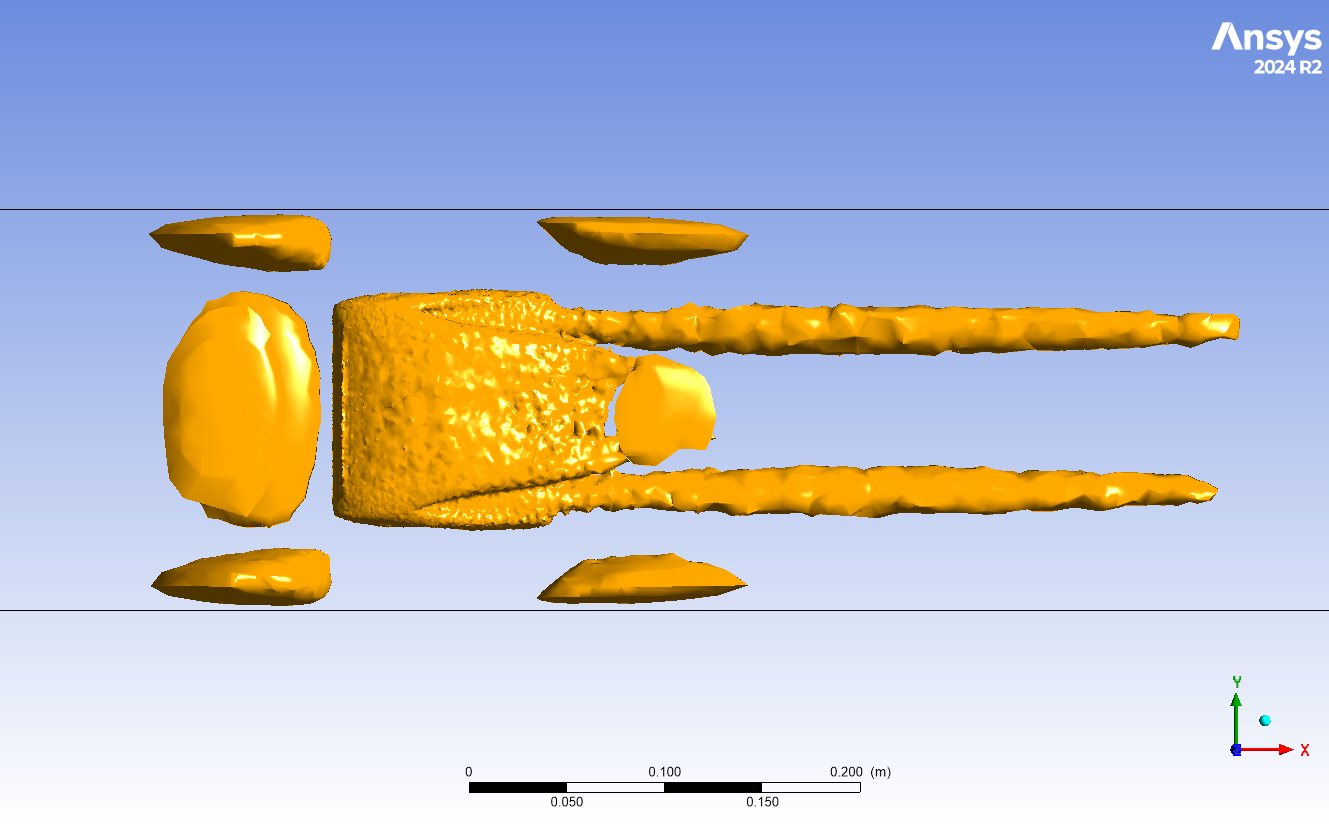
Gold-coloured Q-criterion isosurfaces showing elongated structures downstream of the wing.
Three-dimensional flow structureQ-criterion isosurface at Q0=0.2 s−2Q_0=0.2\,\mathrm{s}^{-2}: wingtip vortices and tunnel-wall footprints.
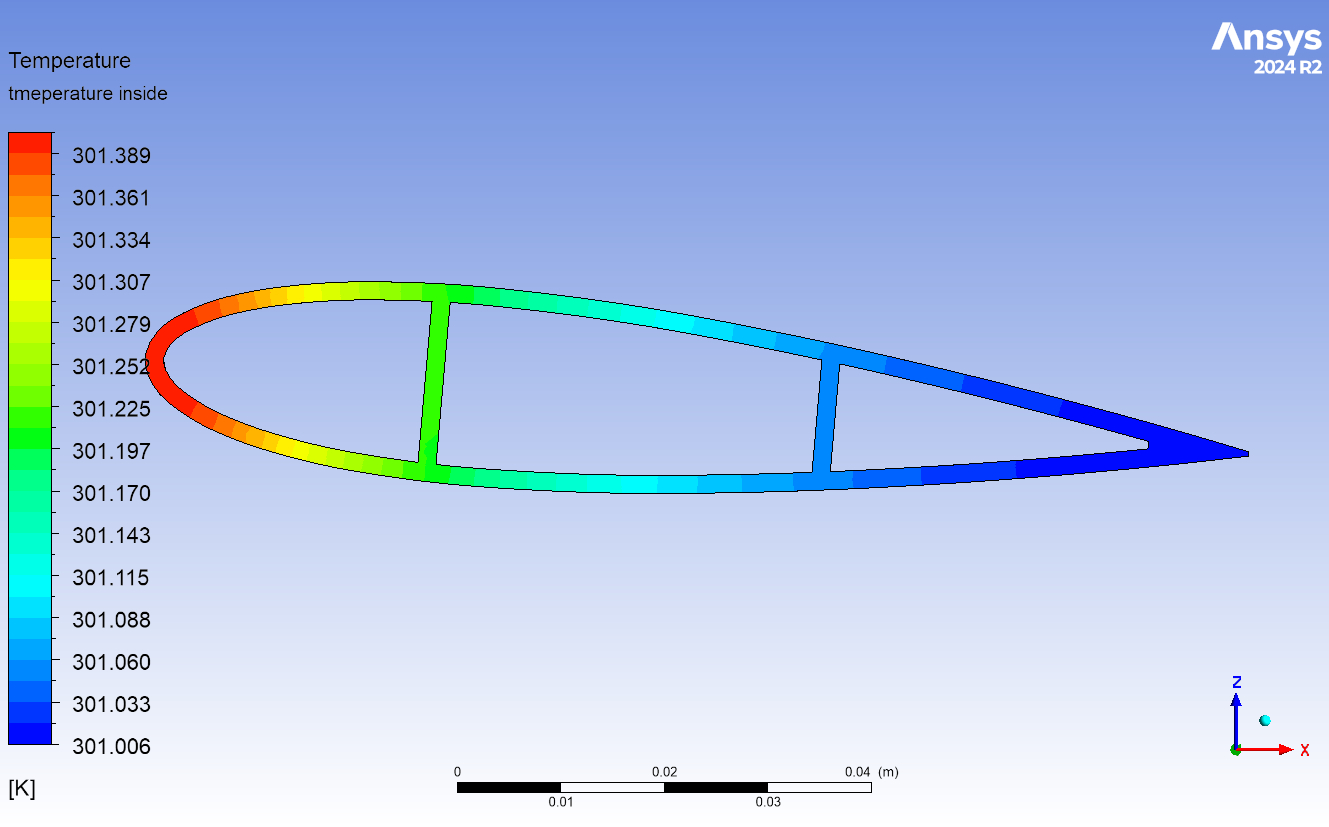
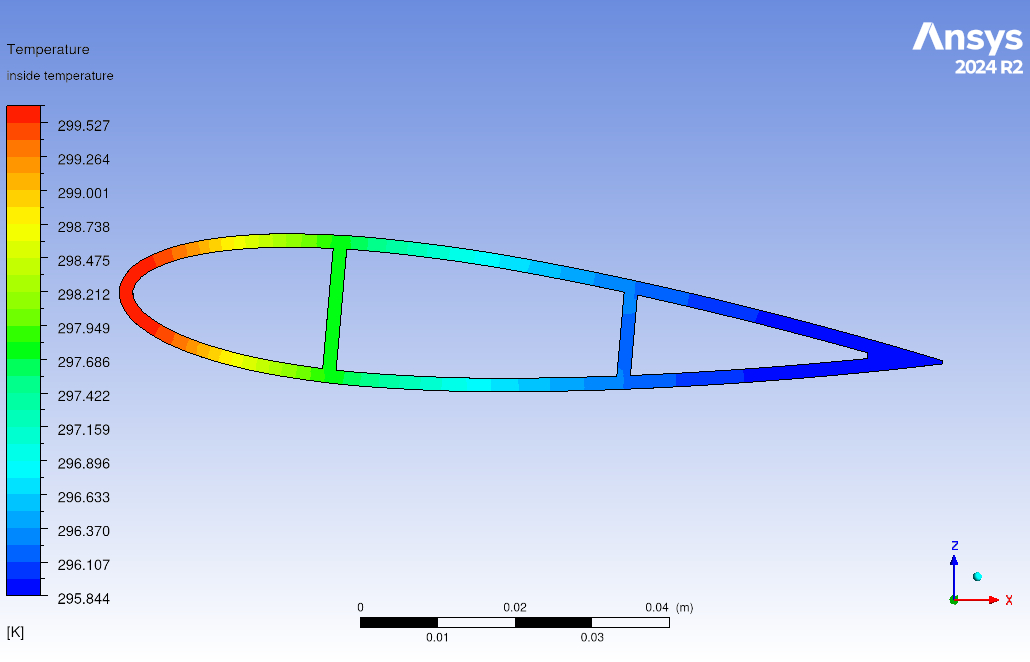
Temperature gradients through the wing

Two Biot-number cases illustrate the leading-to-trailing-edge temperature difference. Each contour retains its own original colour scale.

Wing-section temperature contour for Biot number 0.01, retaining the original temperature scale.
Bi=0.01\mathrm{Bi}=0.01Leading-to-trailing-edge ΔT=0.38 K\Delta T=0.38\,\mathrm{K}.
Wing-section temperature contour for Biot number 0.12, retaining the original temperature scale.
Bi=0.12\mathrm{Bi}=0.12Leading-to-trailing-edge ΔT=3.68 K\Delta T=3.68\,\mathrm{K}.

Beyond the simulation.

Fields, materials and working hardware.

EXPERIMENTAL MECHANICS · MATERIALS TESTING

Mechanical characterisation

University of Twente · Team project · 2024

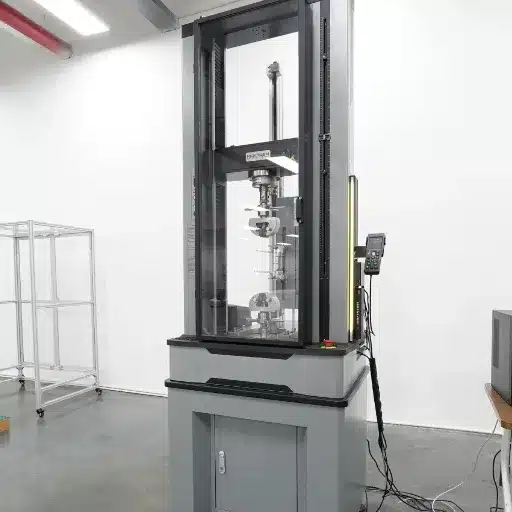
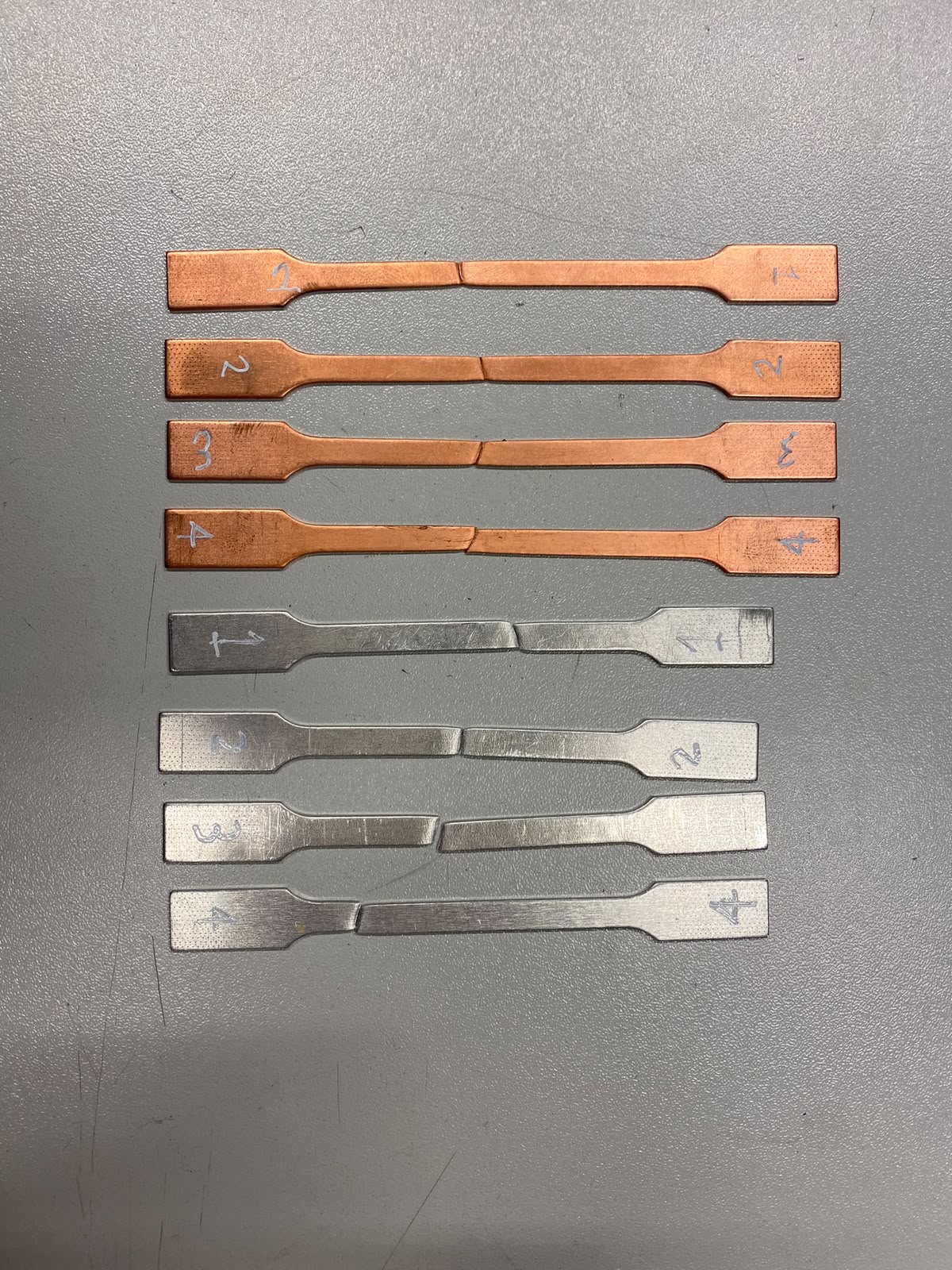
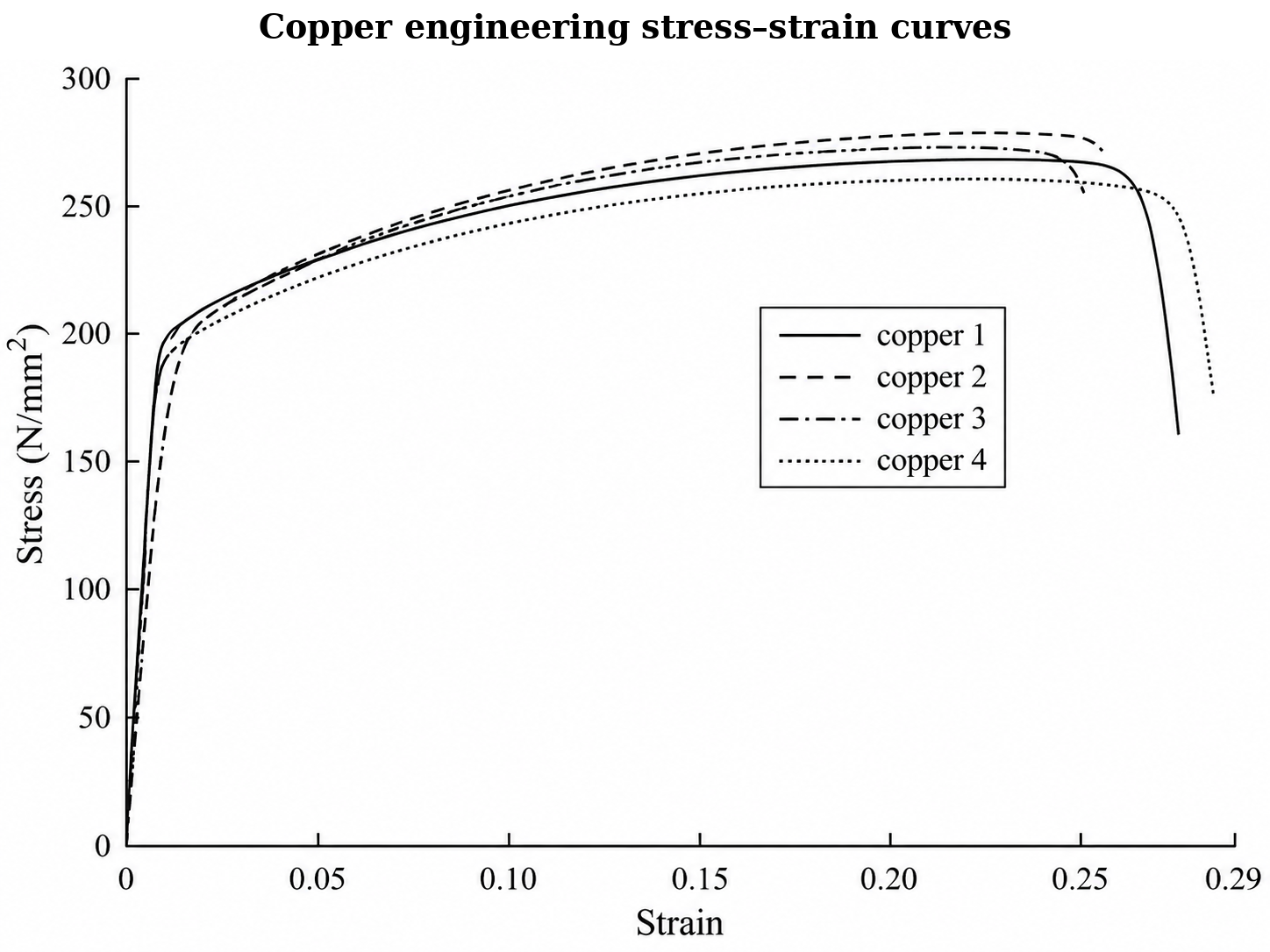
Tensile, cyclic and flexural testing of metals and polymers, connecting laboratory measurements to stress–strain response, permanent deformation and rate-dependent behaviour.

The emphasis was on measurement quality: distinguishing the response of the specimen from the compliance and limitations of the test system.

  • Universal testing machines
  • Extensometry
  • Three- & four-point bending
  • Measurement uncertainty
Test methods & measurement quality

Test programme

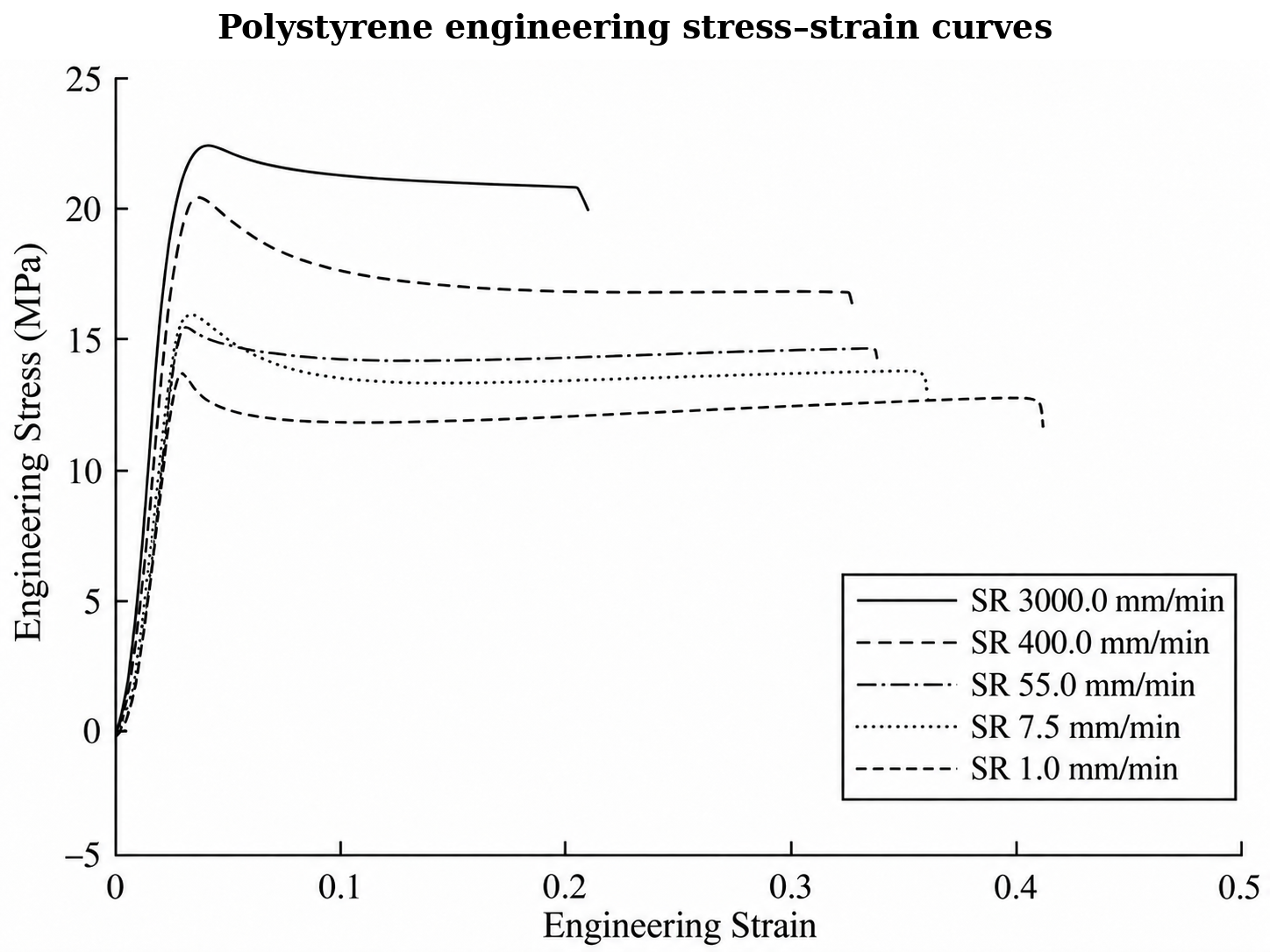
Axial and cyclic loading of metallic and polymeric specimens, together with three- and four-point bending of polymers. Materials included copper, aluminium, polypropylene, polystyrene, and cast and extruded PMMA.

Data reduction

Force–displacement records were analysed as stress–strain responses, with estimates of stiffness, strength, permanent deformation and energy absorption. The polymer tests also examined the influence of loading speed.

Measurement discipline

The analysis considered machine compliance, specimen-level strain measurements and incomplete datasets. Shared class data supplemented the group’s measurements; the digital image correlation comparison used data from other groups after difficulties with the group’s own acquisition.

Experimental Mechanics team: S. Marringa, J. Fernandez Nunez, E. Nævdal and M. Ritt de Souza. Selected figures from EMM Report 1, November 2024.

SURFACE ENGINEERING · ULTRASHORT-PULSE LASERS

Laser texturing & surface metrology

University of Twente · Team project · 2024

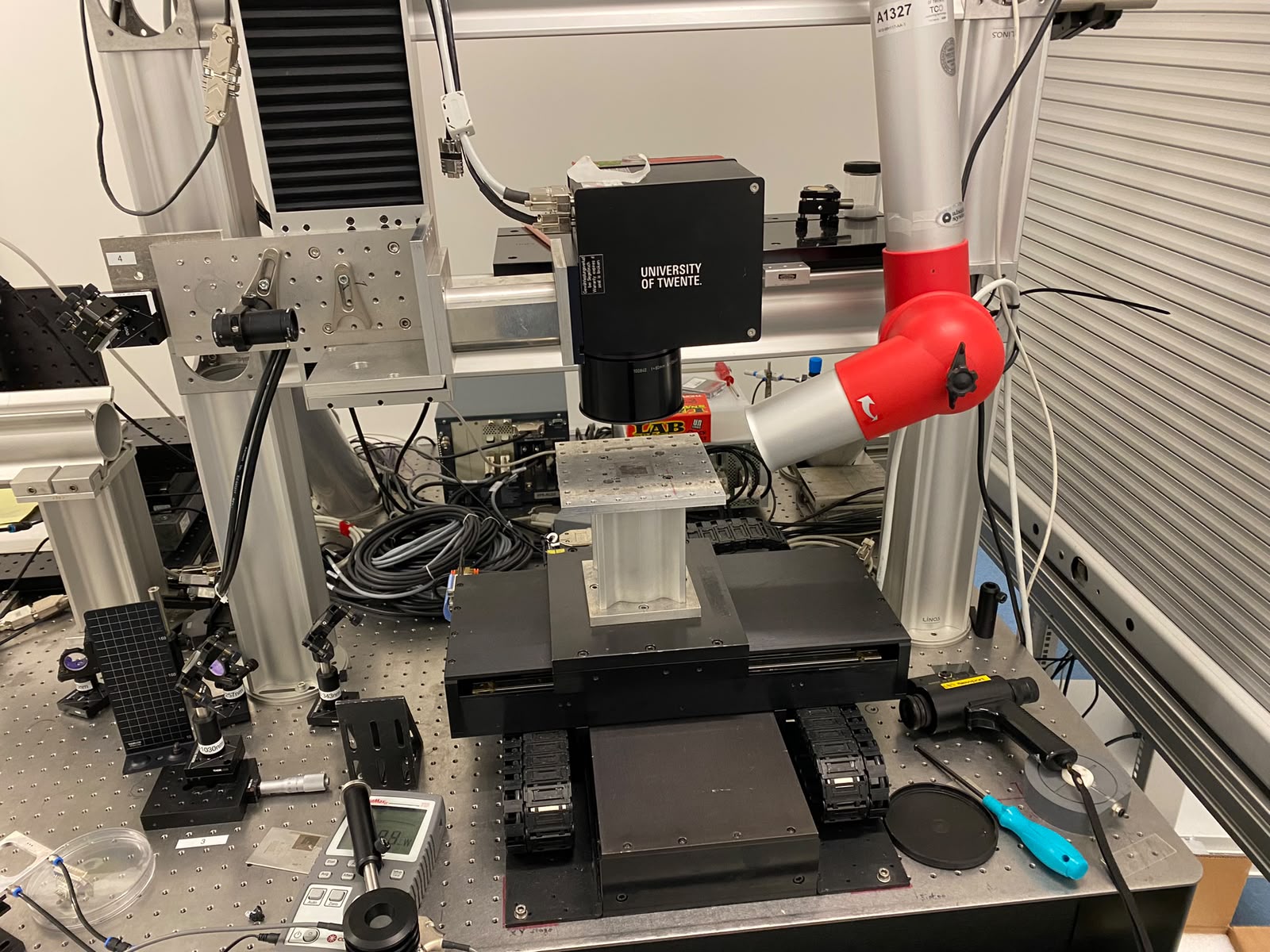
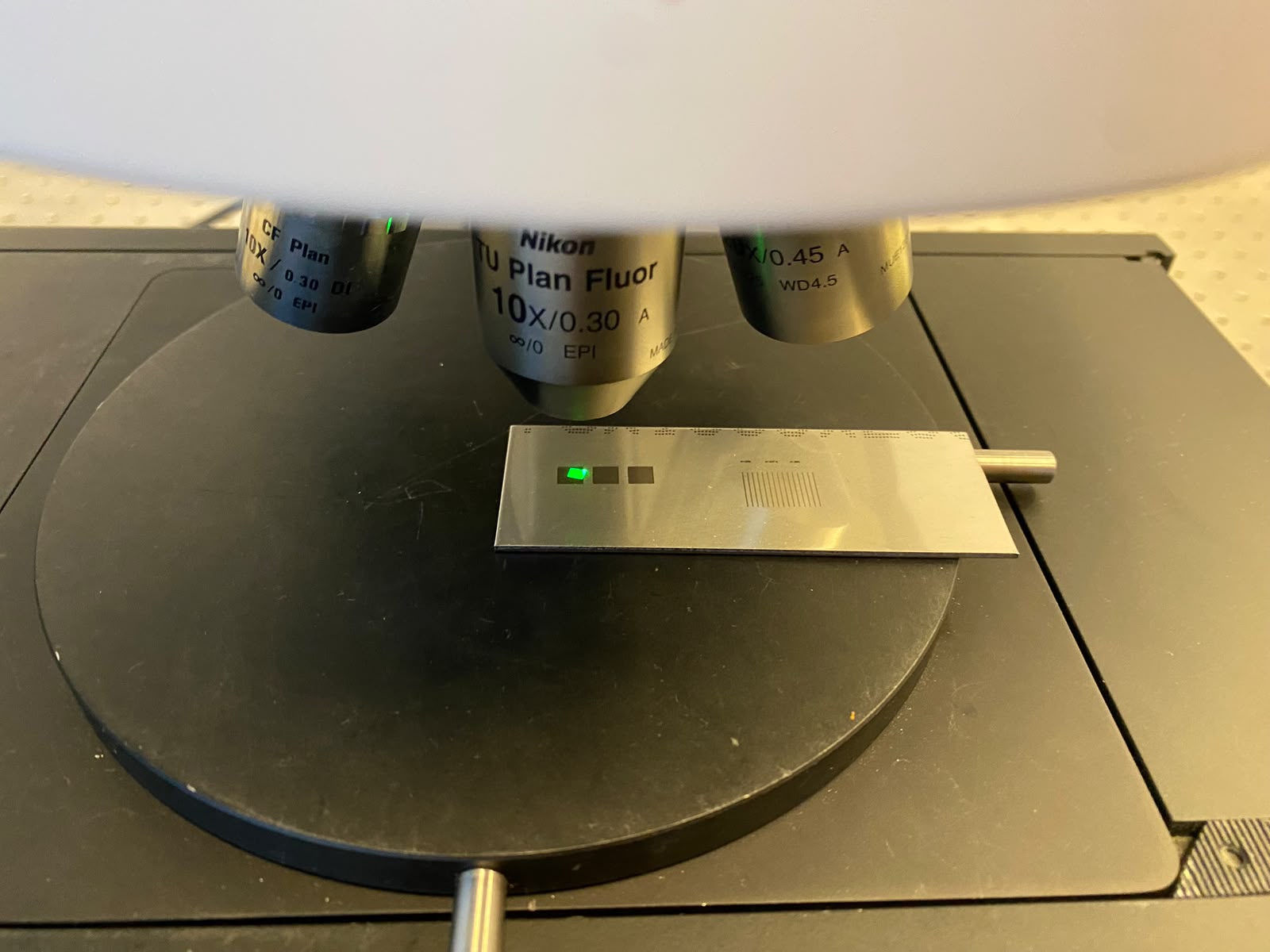
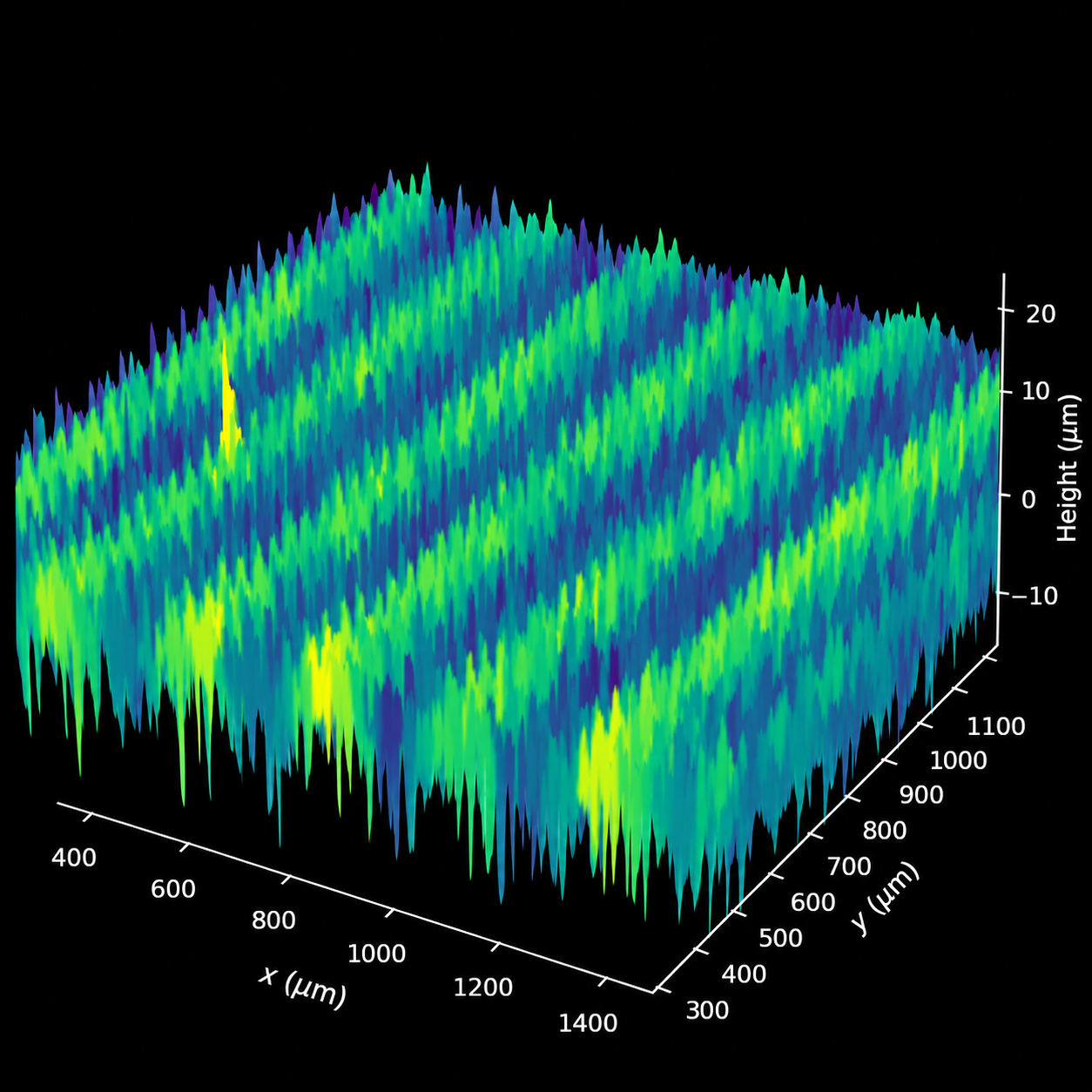
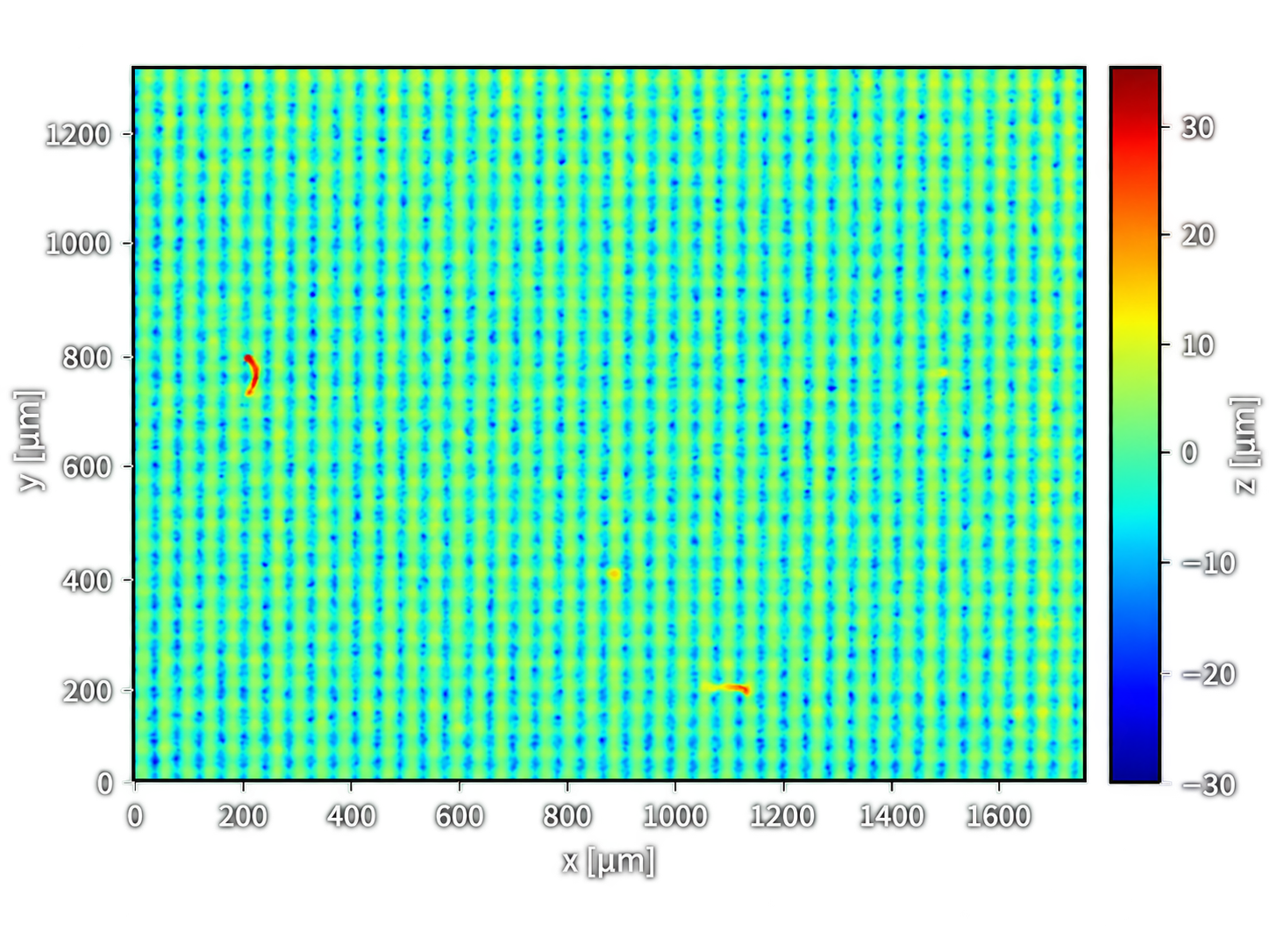
Laser micromachining, 3D optical metrology and contact-angle analysis brought fabrication and surface function into the same experiment. Three stainless-steel patches were textured, their topography reconstructed and their water-wetting response compared with a smooth reference.

The resulting surfaces were more water-repellent. Analysis separated fine-scale roughness from waviness and examined how missing optical data and measurement scale affected the interpretation.

  • Ultrashort-pulse micromachining
  • 3D optical metrology
  • Surface topography
  • Contact-angle analysis
5 × 5 mm each
3 patches
Programmed line pitch
50 µm
Textured water contact angles
135–141°
Metrology, wetting & interpretation

Fabrication

A single ultrashort-pulse laser parameter set was applied to three 5 × 5 mm areas of stainless steel. The reported settings used 10 ps pulses, a 50 µm line pitch and 50 overscans.

Surface reconstruction

Optical measurements were processed into height maps, roughness profiles and areal parameters. The analysis distinguished roughness from waviness and examined the effects of filling missing points, contamination and incomplete high-magnification measurements.

Functional measurement

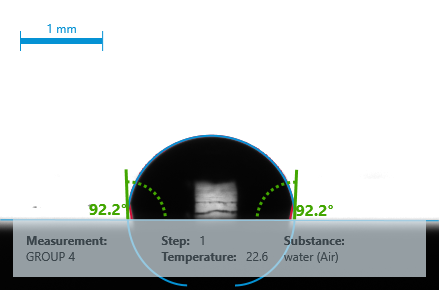
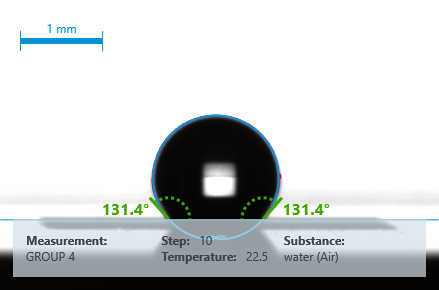
Static contact-angle measurements compared water on the textured patches and smooth reference. The displayed 135–141° range gives rounded means for the three textured patches, compared with 96.7° on the smooth reference. Diiodomethane spread too extensively on the textured areas for a reliable contact-angle fit, so a surface-energy value was not established for the textured patches.

Water droplet on the smooth reference surface, with a fitted contact angle of 92.2 degrees.
Water on the smooth referenceRepresentative individual droplet measurement: 92.2°.
Water droplet on a laser-textured surface, with a fitted contact angle of 131.4 degrees.
Water on the textured surfaceRepresentative individual droplet measurement: 131.4°.

Surface Mechanics team: S. Marringa, E. Nævdal, J. Nunez and M. Ritt de Souza. Selected figures from the November 2024 report and final presentation.

ELECTROMAGNETICS · RF HARDWARE

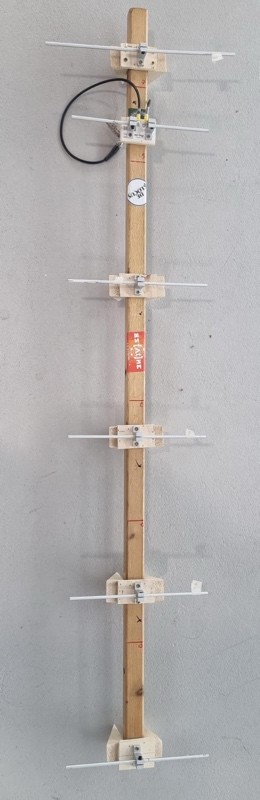
433 MHz Yagi–Uda antenna

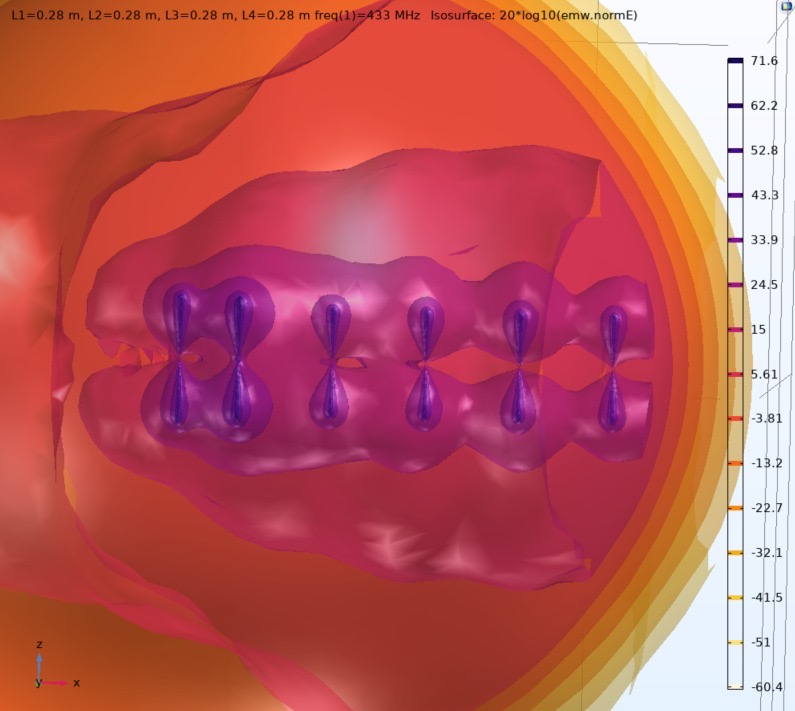
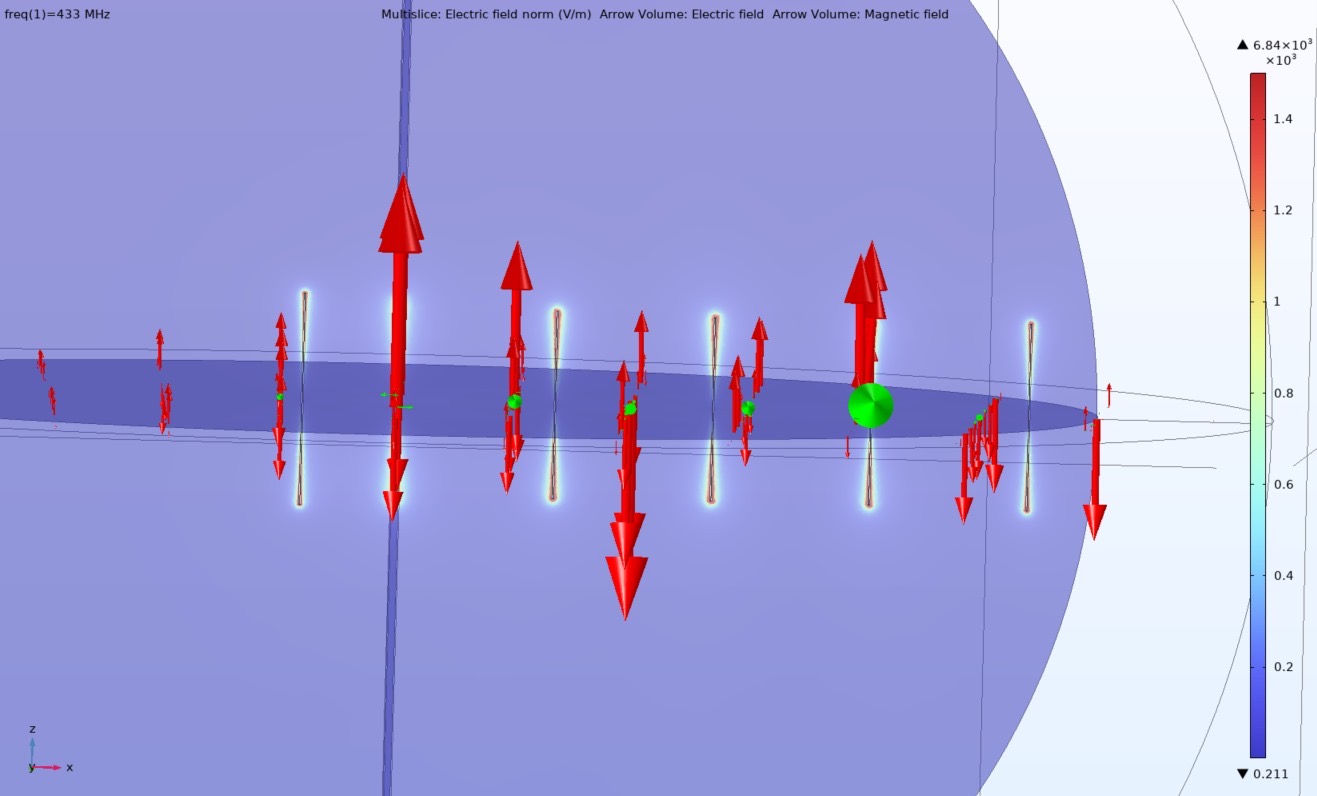
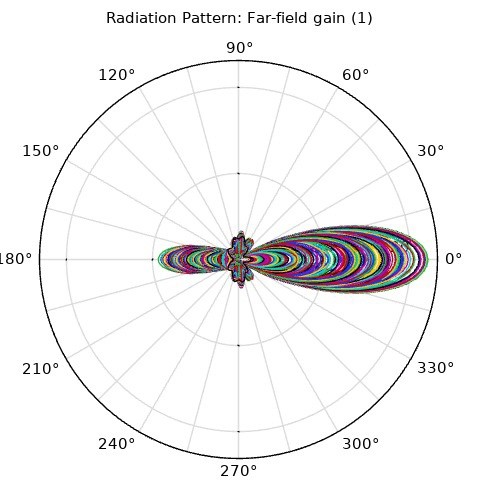
Electromagnetic modelling and a physical Yagi–Uda build for a 433 MHz transmitter. COMSOL field visualisations and a far-field gain study supported the design of the driven element, reflector and directors around a 50 Ω50\,\Omega interface requirement.

  • 433 MHz
  • COMSOL
  • Directivity
  • Impedance matching
Constructed Yagi–Uda antenna with a wooden boom, metal elements and a coaxial feed.
From model to hardwareThe constructed antenna, shown horizontally to reveal the full element arrangement.
Polar far-field gain plot with multiple overlaid traces and a dominant forward lobe.
Directional radiationFar-field gain plot from the project.

SENSING · ELECTRONICS · MECHANICAL DESIGN

Three-axis strain-gauge accelerometer

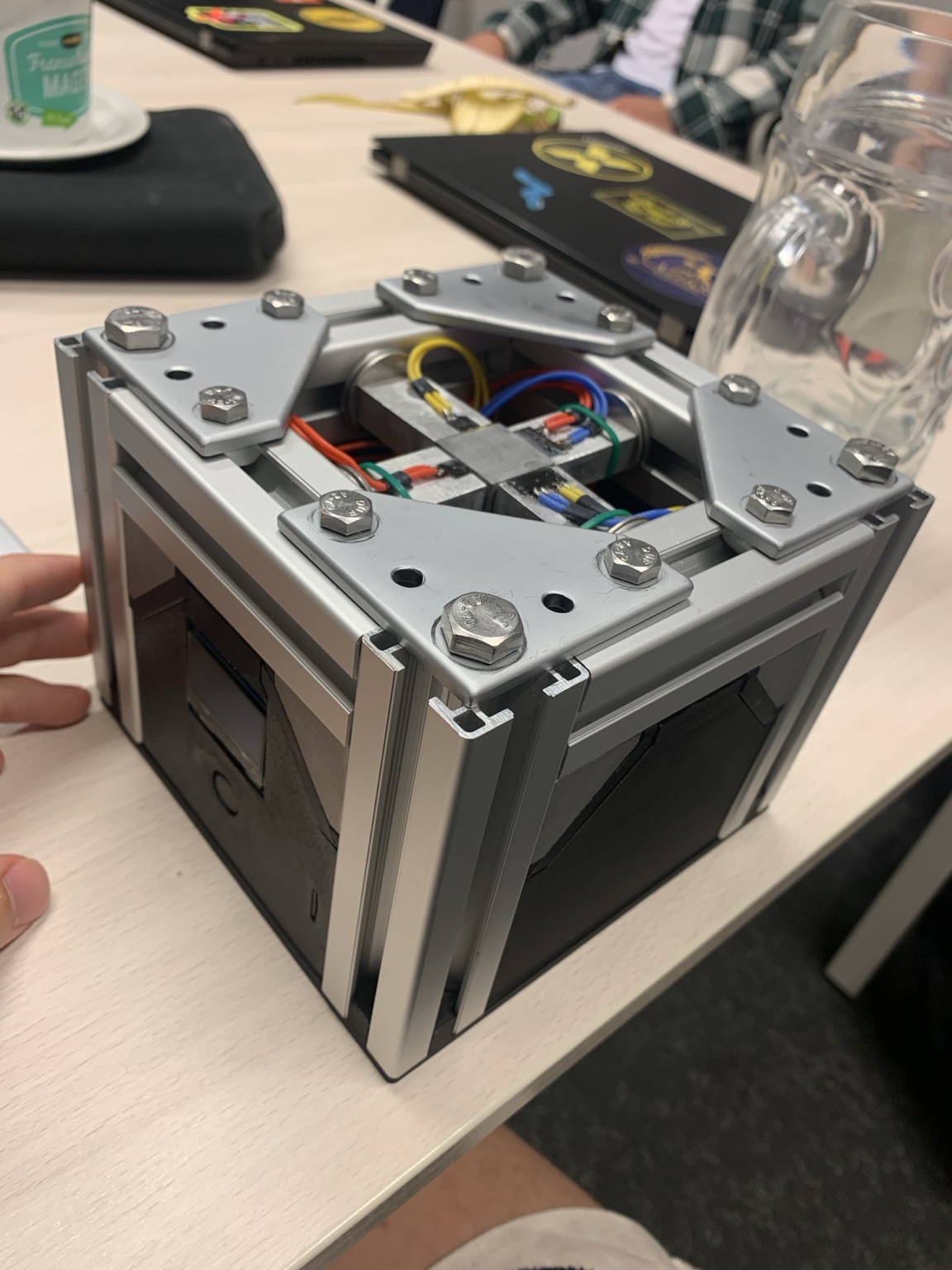
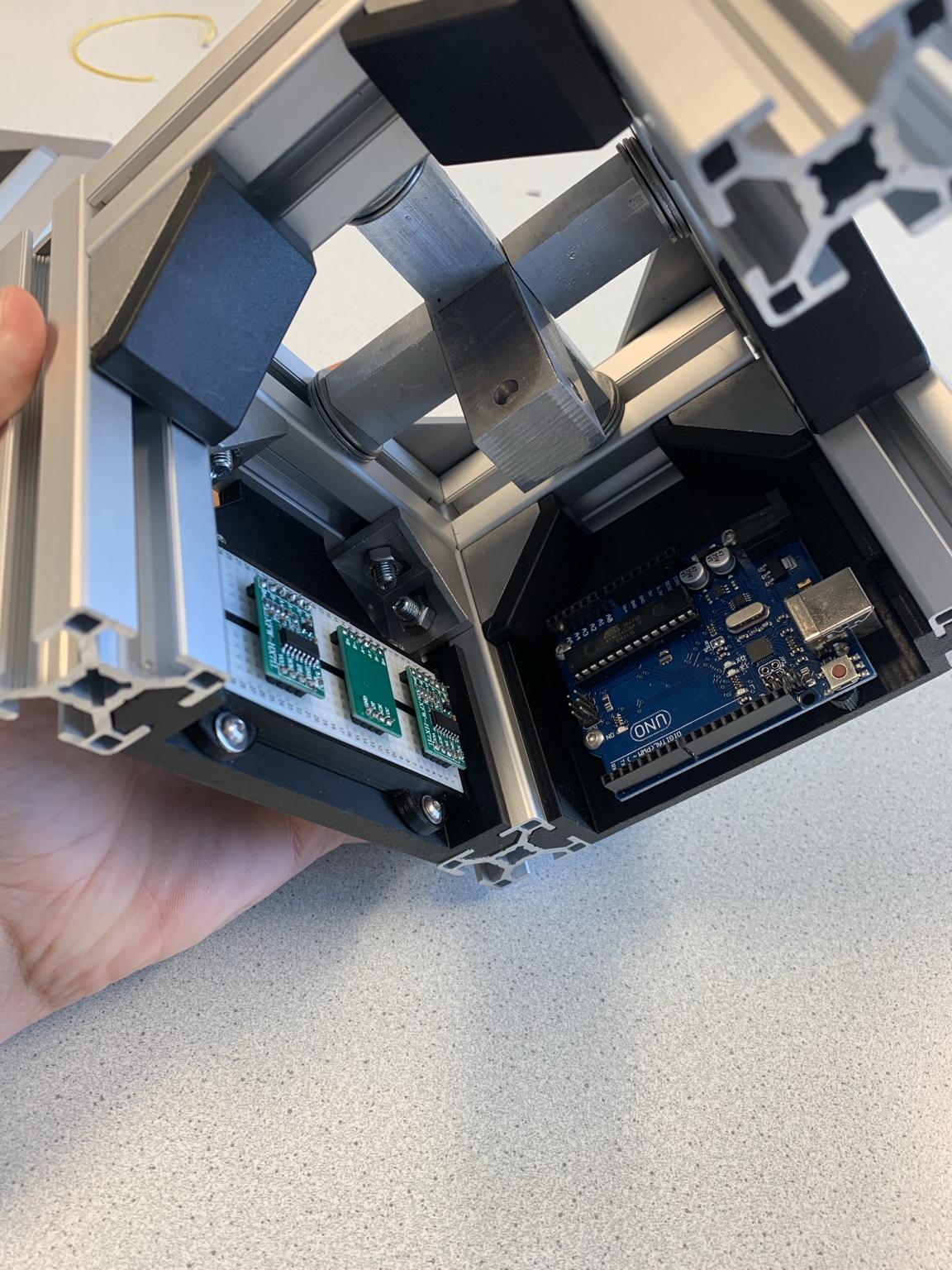
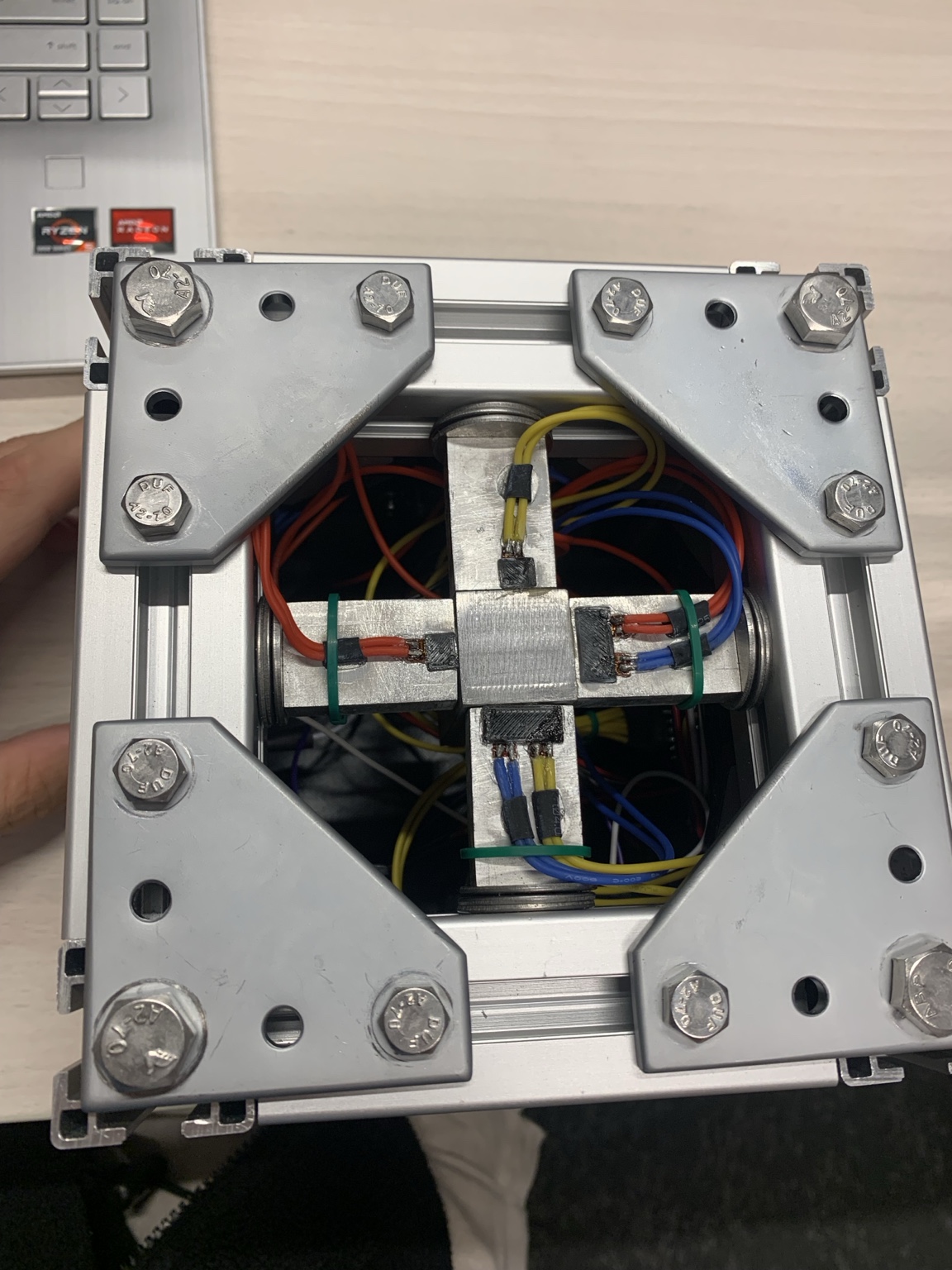
A compact instrument built around a central proof mass, four aluminium beams and twelve strain gauges. Three full Wheatstone bridges translate beam strain into voltage; HX711 conversion and an Arduino provide the three-axis readout.

Static-load and shock tests explored cross-axis response and the practical limits of the low-cost acquisition chain.

  • 3 axes
  • 12 strain gauges
  • Wheatstone bridges
  • Arduino
Assembled accelerometer in an aluminium extrusion enclosure on a work table.
Assembled prototypeMachined structure, aluminium extrusion frame and integrated electronics.
Interior of the accelerometer showing aluminium beams, a central steel mass, circuit boards and an Arduino UNO.
Inside the instrumentProof-mass suspension and the embedded acquisition electronics.
Top view of the accelerometer showing four aluminium beams and coloured strain-gauge wiring.
The sensing structureFour supporting beams, strain-gauge wiring and the central proof mass.
Design targets & prototype testing

The design targeted 20–150 g and a natural frequency around 7 kHz. The proof-of-concept used an HX711 acquisition chain with a maximum sample rate of 80 Hz. Testing exposed cross-axis sensitivity and mechanical fragility above approximately 30 g; a measured frequency response was not obtained.

ELECTRIC SUPERBIKE TWENTE · POWERTRAIN

Electric powertrain testing & control

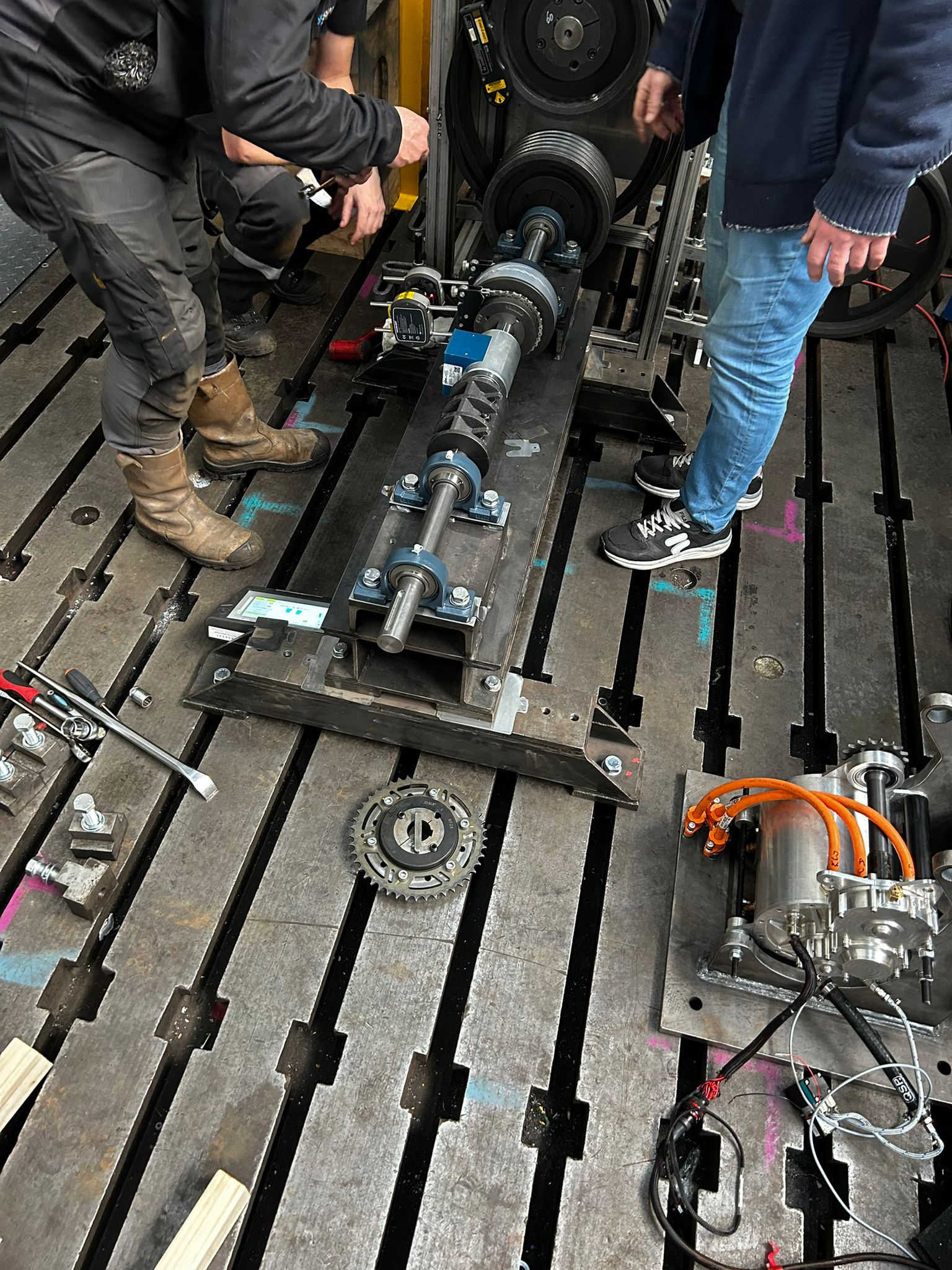
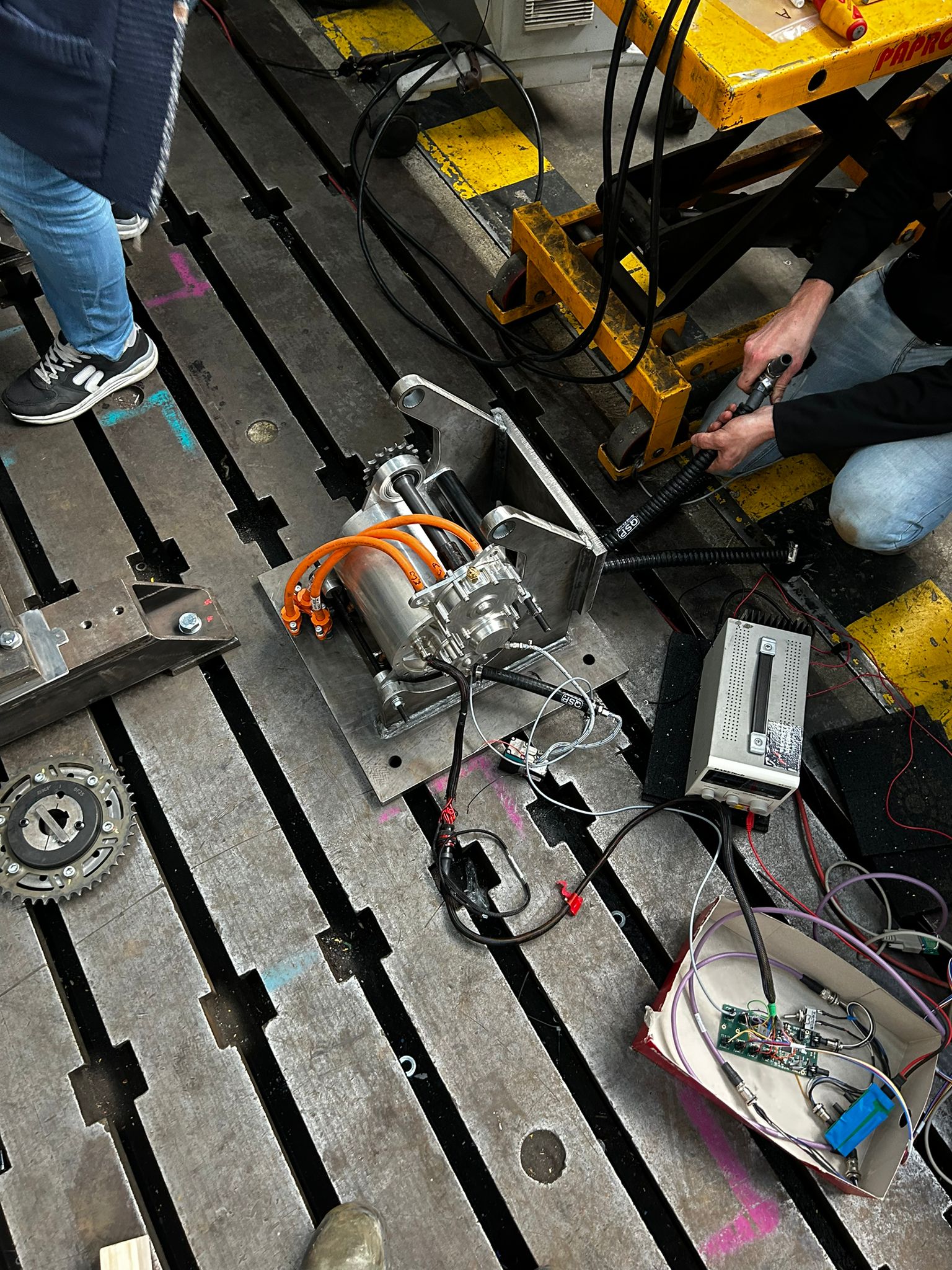
Contributed to field-oriented control of a permanent-magnet synchronous motor, using direct- and quadrature-axis current sweeps to characterise maximum torque per ampere (MTPA). I developed a MATLAB tool to process experimental measurements and generate the MTPA curve, supporting motor tuning and experimental setup decisions.

  • Motor control
  • MTPA characterisation
  • MATLAB · experimental data
Workshop test rig with a shaft assembly, bearing supports and instrumentation.
Mechanical test assemblyShafts, bearings and test hardware on the workshop bed.
Electric motor with orange power cables, instrument wiring and a metal mounting frame.
Motor & instrumentationElectric motor, mounting hardware and test connections.

Let’s talk engineering.

For research, technical exchange or a conversation about the work.